With just 8 sleeps to departure, my mind goes to the final prep and packing – this includes ensuring I have what I need for my feet (socks and shoes) and to treat my feet (blister care).
Walking Long Distance Paths (LDP) can be about the views, the experience, the people you meet, the culture you discover, the health benefits, the goal, etc. Everyone has a different reason or reasons for taking the first step on their LDP of choice, but one thing is true for all of us … our feet are stars of the show here, they are making the magic happen! Step by step.
When I think of our upcoming Coast to Coast Path walk and how many steps it might be, it’s a lot! At over 300km and assuming the average km is 1,400 steps, that’s a whopping 420,000 steps, at minimum. With how hard I will be making my tootsies and footsies work, I better take care of these little beauties.
With just over 2000 km of LDP steps under these feet, I thought I could share my footsie and tootsie care tips to see if one or some may also help you on your long or short distance journeys!
Before you go …
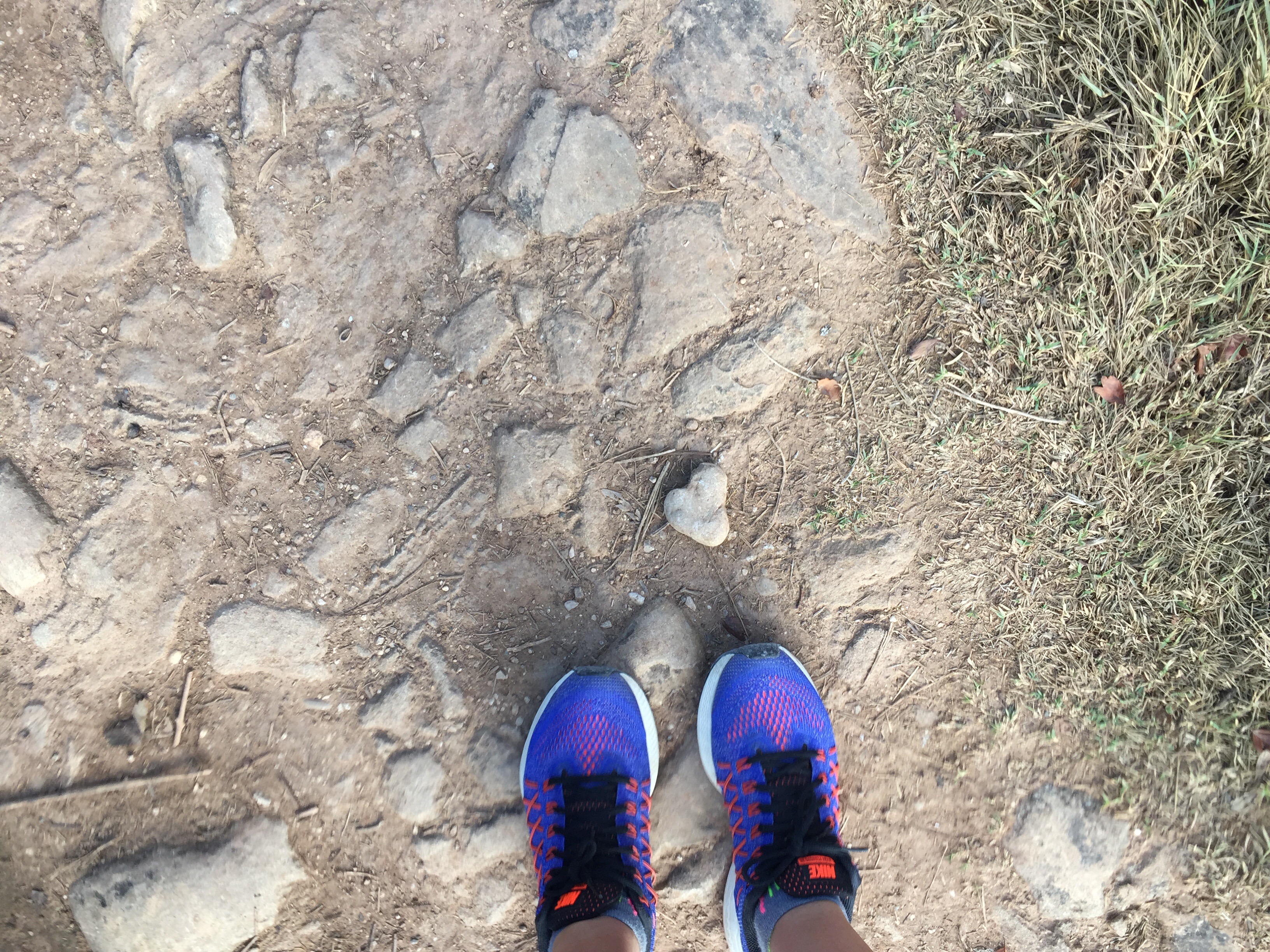
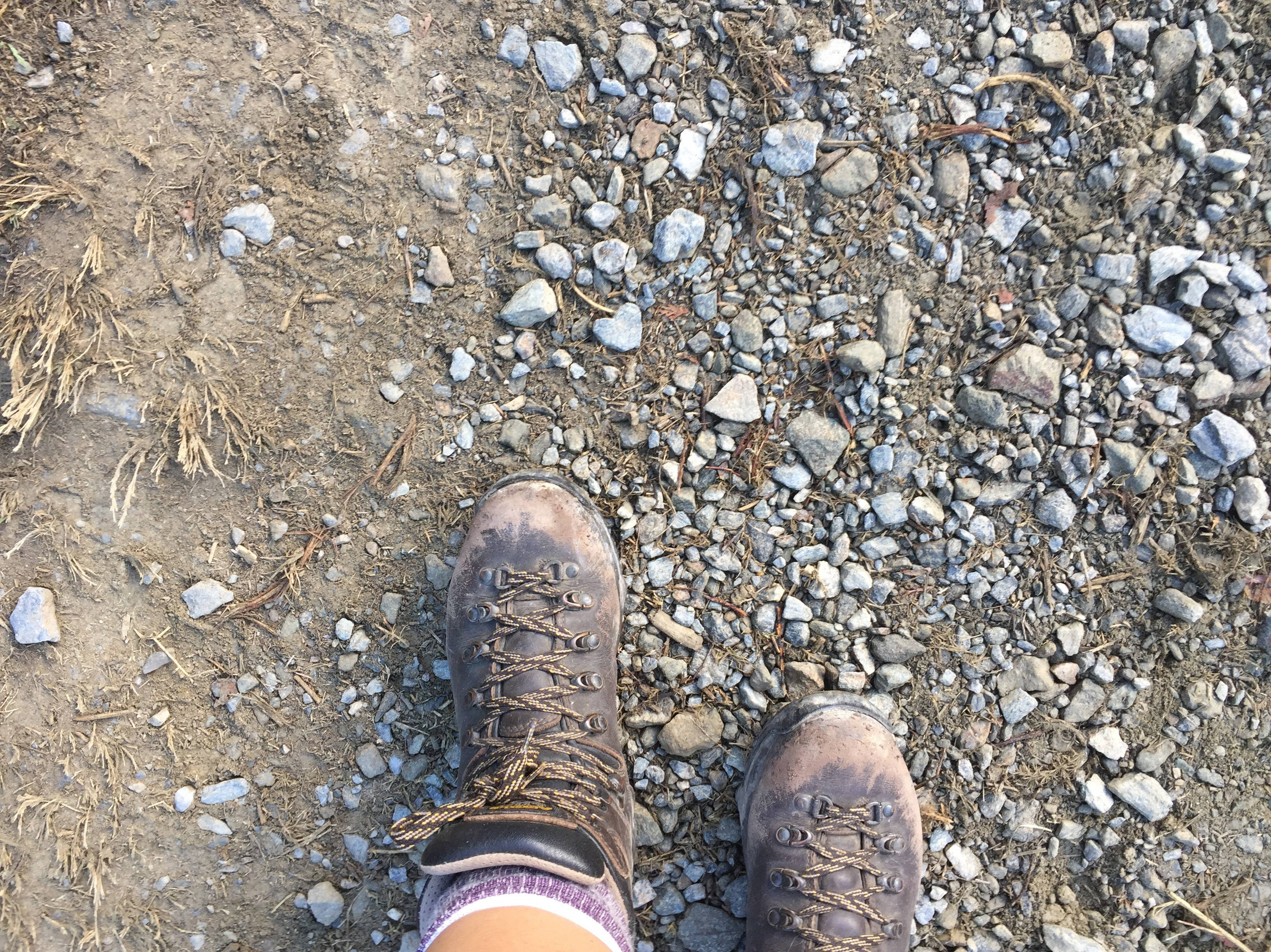
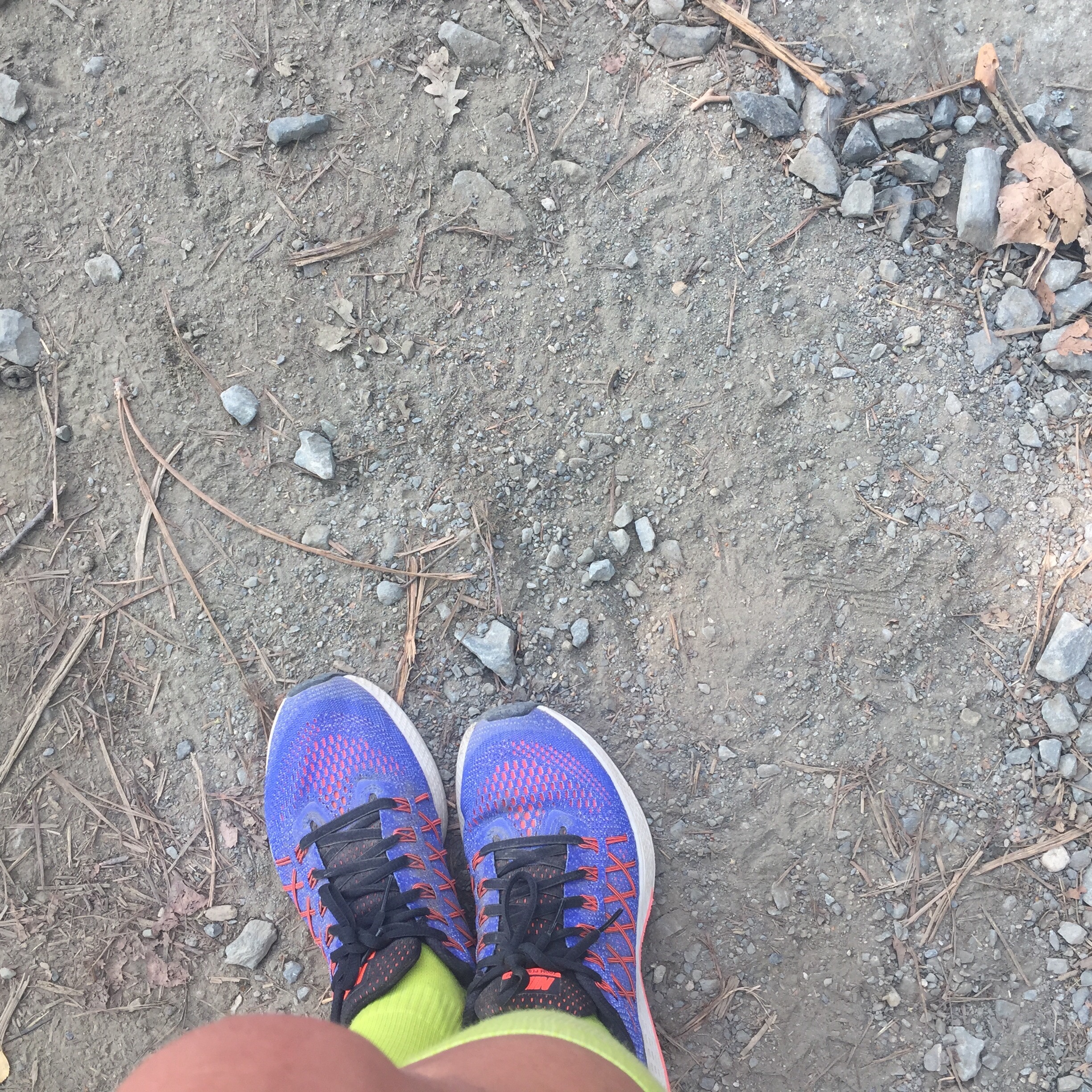
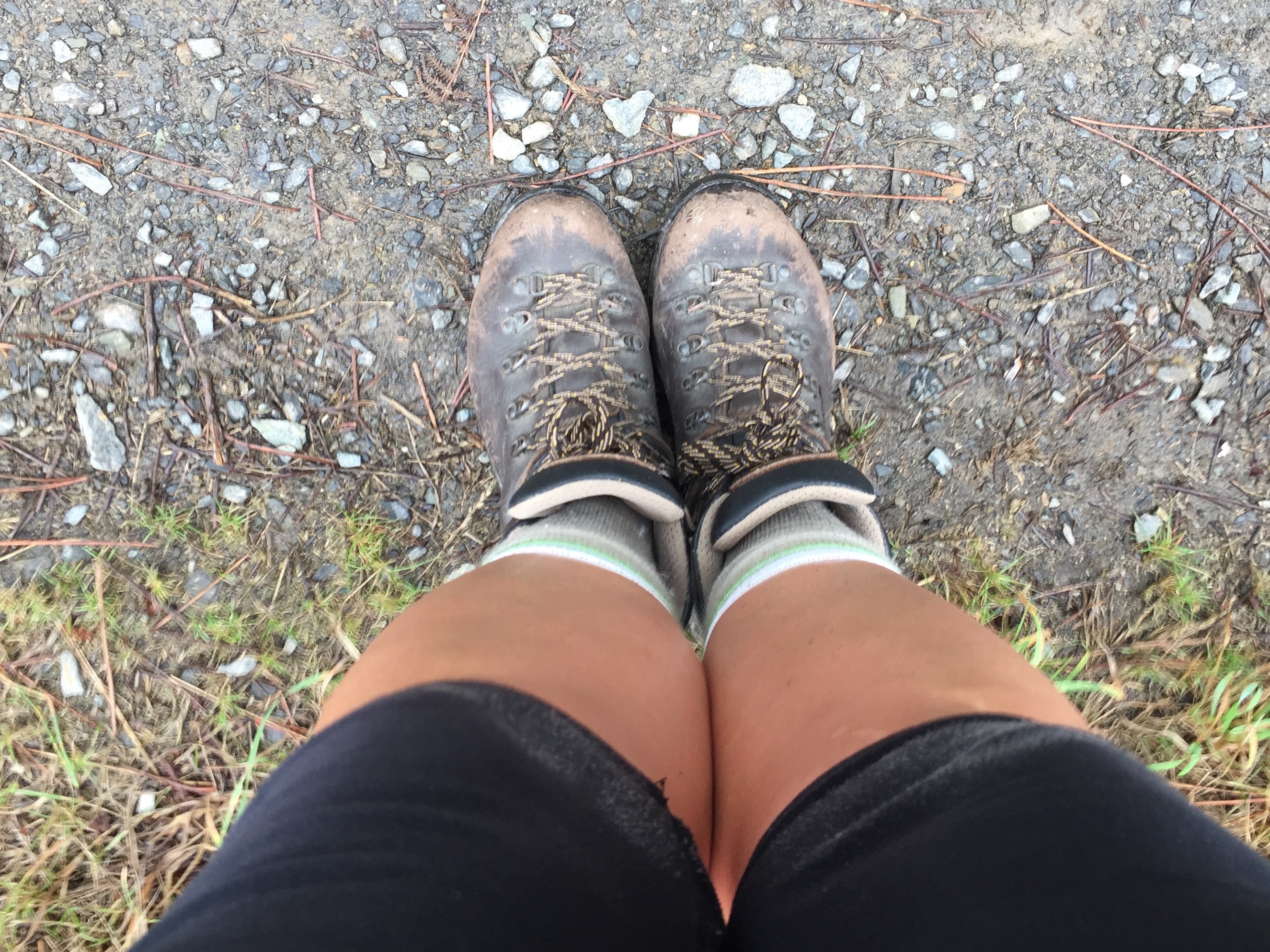
- Pick the right shoes! Don’t opt for a backpacking boot if you only need a trail runner, and vice versa. Consider a trainer instead of a boot if you are mostly walking on footpaths and quiet county roads, rather than up and over mountain passes. The bigger, the more robust, the more waterproof, the heavier (and expensive). That’s, of course, perfectly fine if you need that, though. Go into an outdoor store where outdoor people work and give details on your adventure for the best advice!
- Train, train, and train! This is incredibly important for your joints, strength, and stamina, as well as your footsies. They will get used to a lot more steps if you give them a little runway before you head out. And I don’t mean a couple of big hikes or a single weekend on the mountain either. I am talking sustained and regular hiking over weeks before you depart. You are NOT looking to jump-start your tootsies; rather, you are looking to build up their resilience. Check out my 20-Week Training Plan, which has never failed me for a 300km trip lead up.
- Discover your sock combo! The goal of your training is half getting your body ready, and the other half is finding your perfect gear! As you train, try out different sock types and combos. My sock combo has changed a few times over the years with different shoes and trails, and the ole body (including my feet) getting older and wider. I have been a liner and medium hiking Smartwool, I have been a light single Smartwool, and am currently an Injini (the socks with individual burrito toe pockets) gal. Find your combo through trial and error, most importantly, before you go!
While you are hiking…
- If it’s hot, you stop! Any tiny rub or pebble or sock bunch or hot spot or odd pain or odd twinge from your feet as you are on the trail is a sign! Stop, drop, assess, and treat! Even if you are hiking in a group, do not hesitate to drop and check things out – people don’t mind, you would stop for them! So don’t wait for lunch or until you get to y or see x. Right now! The best thing you can do for your feet is prevent a blister from ever happening – once they are there, you go from a little hot spot happily protected with a Compeed to an open wound that has the potential to hurt, get infected, ruin your time, and maybe even your trip. Yeah, that sounds dramatic, but for all those in the crowd who have been there, it’s for real! As you work on opening up to the sounds and feels of nature, keep a few of those senses tuned in on your feet, too. There are a number of ways to treat blisters. Deep dive into some YouTubes and try what works for you – everyone has their own trick.
- If you sit, your socks come off! Your feet need a break, too. When you stop for snacks at 11-sies, lunch, late lunch, 2-sies…whatever your schedule…give your feet a break from their shoe and sock prison. Take the shoes off, open up the laces, and pull back the tongue to get some air in there. Then take those socks off, lay them out to dry (from sweat or rain or both). Finally, do a little footsie and tootsie inspection. Wiggle the toes, give each a little rub, and give your foot a rub too. While feeling for any issues, also visually check things out. Treat what you find. Wash those hands, and then have your break while your feet are up! Don’t hang your feet down off a ledge or sit on them, pop ’em up on your backpack or a stump, or at least beside you on the picnic bench. Before you set off again, give your tootsies one more inspection, then put on dry socks! Either change out the ones you had for new dry ones, or the ones you had if they feel dry).
End of your hiking day …
- Put those feet up or cool them down! When you arrive at your destination, put those feet up for 15-30mins! In a hotel or BnB, literally lay on the floor or bed and put them up the wall OR in a tent, lay on the ground and get em up a stump or fence! Pulling off the shoes and socks before you do is extra special, and some nice slow ankle rolls and toe wiggles feel amazing, My sister (my usua. LDP companion) and I like to use this time to sip a post hikng day tea and a little debrief of the day as we wiggle our toes in the air. The other option is a cold soak. If you hae a place to stay with a foot bath or tub, cool if not cold water and a 15min soak will be your best friend. Heck even in a river works. Your feet have done a lot today, this is a big thank you to them and a gentle ask that those tootsies not swell up on you from all that they went through today.
- Use your sleep to recover! Take advantage of the time you are of your feet and in bed to further thank your feet and prep them for the next day. A nice massage with some moisturizer before you turn off the night-night light. Put one of your pillows down the bottom of the bed and sleep wth your feet slightly elevated. If you do have swelling, toss on a pair of compression socks too.
Before you step out of bed …
- Gently welcome your feet to their next day of hiking! Before you even put a foot out of the bed, stetch those feet, wiggle the tootsies, rub the arch and stretch the toes. I also like to do a few leg, hip flexor and upper body stretches before I even sit up. Nothing like a slow, quiet morning stretch to get you ready for another adventure day. You may also want to do another footsie inspection just to make sure any spots you were watching or treated yesterday are looking good. I keep my blister care items and next day socks beside the bed and update my blister prevention and put on my socks before I even get out of bed to get the day started.
The love you give your footsies and tootsies matters. They can make each step a joy, a chance to look up and around, to be amazed at all you get to see and experience OR they can have you wincing each step counting down to how soon you get to your designation and can make the pain stop.
I know many a hiker that can go a full LDP of 100kms without a single blister – thats the goal!
8 sleeps folks, just 8 short sleeps – England here we come!
Brandé
 runningforthegate